

If your NSFAS application was unsuccessful, you don’t have to accept the outcome without trying again. NSFAS provides an appeal process that lets you ask them to reconsider their decision if your financial circumstances have changed or if important information was missing from your original application.
In this guide, you’ll learn who can appeal, how to submit an NSFAS appeal, what documents you’ll need, and tips to improve your chances of success.
What Is an NSFAS Appeal?
An appeal is a formal request to NSFAS asking them to review a decision not to award funding. If your application for financial aid was rejected or your continued funding was withdrawn, you can request that NSFAS reconsider that decision.
According to the official NSFAS website, students whose applications were unsuccessful have the right to appeal within 30 days of receiving their outcome. NSFAS
Who Can Appeal?
You are eligible to submit a NSFAS appeal if:
- Your NSFAS application was unsuccessful.
- You were initially funded, but your funding was withdrawn.
However, there are some situations where an appeal is not permitted, such as:
- The qualification you are registered for is not funded by NSFAS.
- You have reached the maximum study period (N+2 or N+3 for students with disabilities).
- Your institution has not submitted your registration record correctly — in that case, you must contact the institution directly.
How to Submit Your NSFAS Appeal
Here’s a straightforward step‑by‑step approach:
1. Log in to Your myNSFAS Account
Go to the official NSFAS portal: https://my.nsfas.org.za and log in with your ID number and password.
2. Go to Track Funding Progress
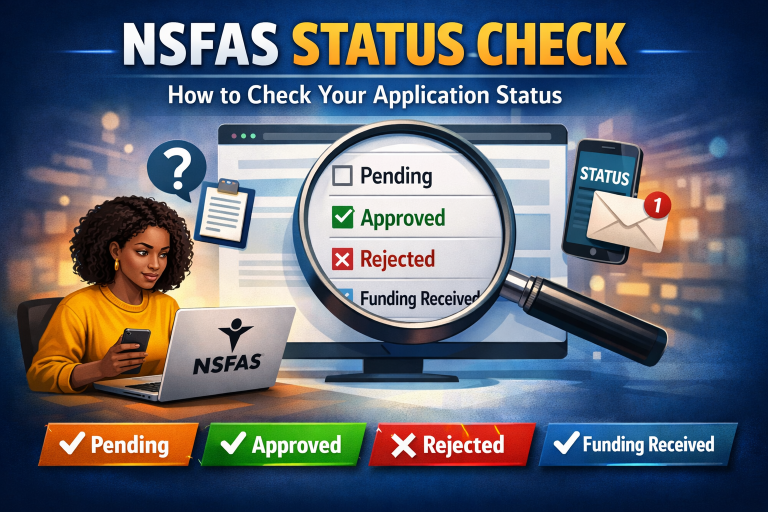
Check your application status. If it shows Unsuccessful, you should see an option to Submit Appeal.
3. Check the Reason for Rejection
Understanding why your application was rejected helps you write a relevant and focused appeal.

4. Write a Clear Motivation Letter
Be honest, concise, and specific about why NSFAS should reconsider your application. Explain any changes in your circumstances (like income loss, unemployment, or new documentation).
5. Upload Supporting Documents
Attach clear and certified copies of documents that support your appeal — for example:
- Proof of income change
- Unemployment letters
- Death certificates
- Medical reports
- Certified identity documents
6. Submit the Appeal
Once your appeal reason, motivation, and documents are ready, submit the appeal on the portal. Official NSFAS guidance specifies that this should be done within 30 days of the rejection decision.
7. Wait for Feedback
After submission, NSFAS reviews your appeal and notifies you of the outcome — often via email or SMS. Processing times vary but generally take several weeks.
Tips for a Strong NSFAS Appeal
Here are practical tips that many students overlook:
- Appeal Early: Submit your appeal well before the 30‑day deadline.
- Be Specific: Address the exact reason for rejection in your motivation letter.
- Submit Clear Evidence: Unreadable or incomplete uploads can delay or weaken your appeal.
- Stay Professional: Avoid emotional language — focus on facts and documentation.
- Follow Up: Check your NSFAS portal and email regularly for updates.
What Happens After You Appeal?
Once submitted, your appeal goes through a review process where NSFAS verifies your documentation and assesses whether the reason you provided justifies a funding reversal. If successful, NSFAS may update your status to funded or provisionally funded. If not, they will communicate the outcome and reason.
Common Mistakes to Avoid
- Submitting after the 30‑day deadline
- Uploading unclear or incomplete documents
- Not explaining the rejection reason clearly
- Ignoring document certification requirements
Link to Related Guides
- Check your application updates using my NSFAS statuses guide so you know when to appeal and what your current status means.
- If you’re still preparing your application or want to avoid rejection, see my guide on how to apply for NSFAS.